
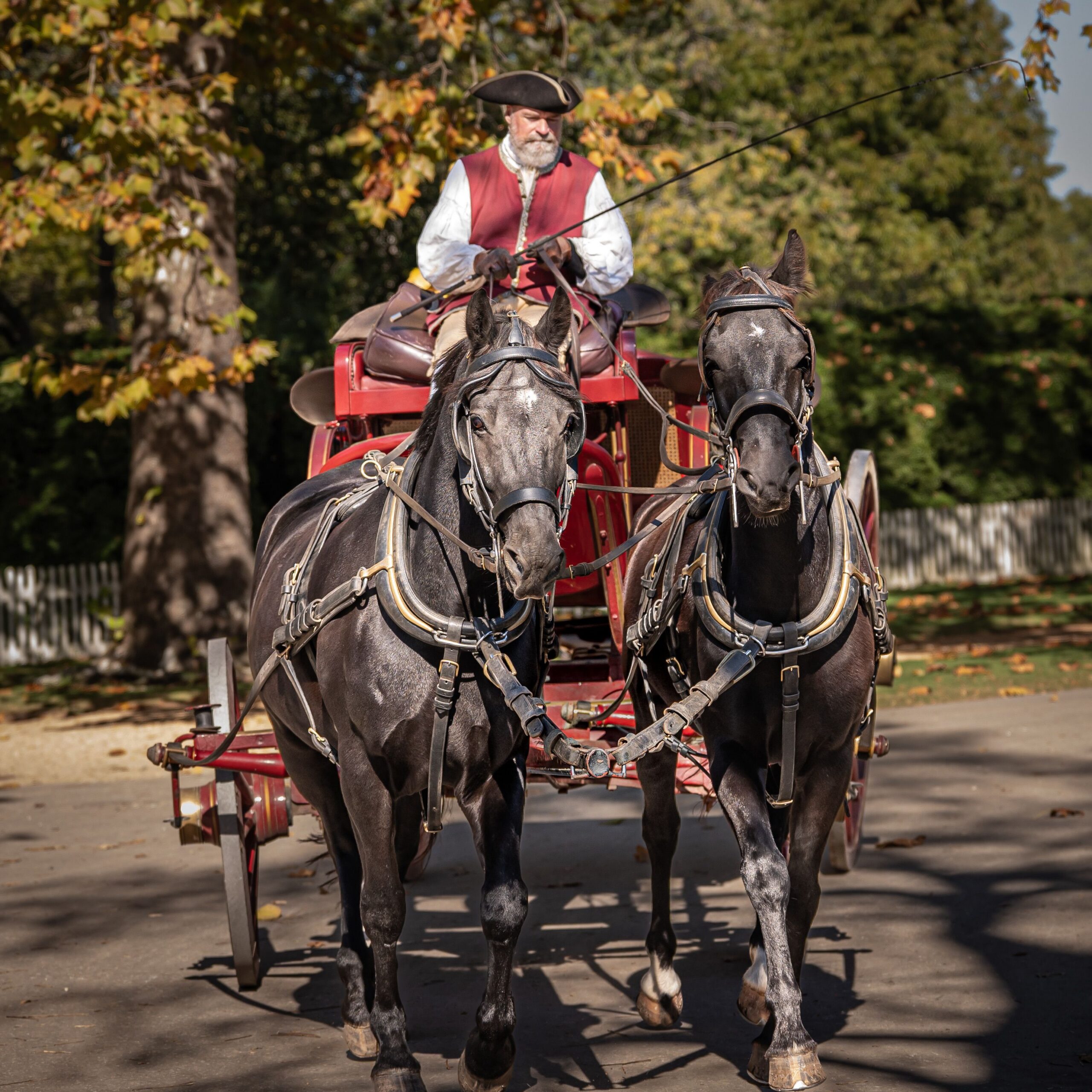
The Clydesdale is one of the true giants of the horse world, but don’t let the size fool you. Known for its towering height, flowing feathered legs, and calm demeanor, this Scottish draft horse has become an international symbol of strength and elegance. Most people recognize this breed instantly thanks to its most famous ambassadors, the Budweiser hitch teams that tour the country pulling those iconic wagons.
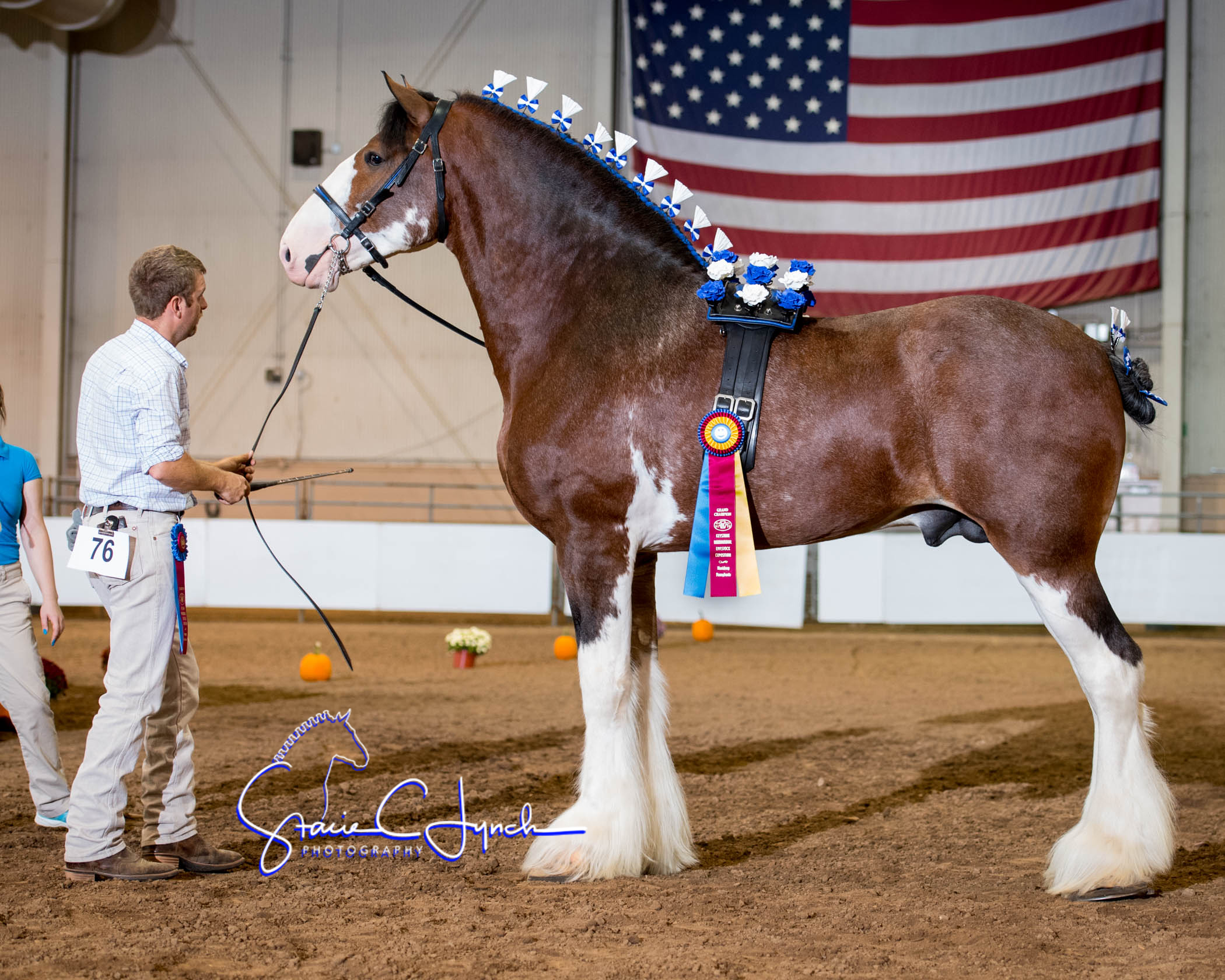
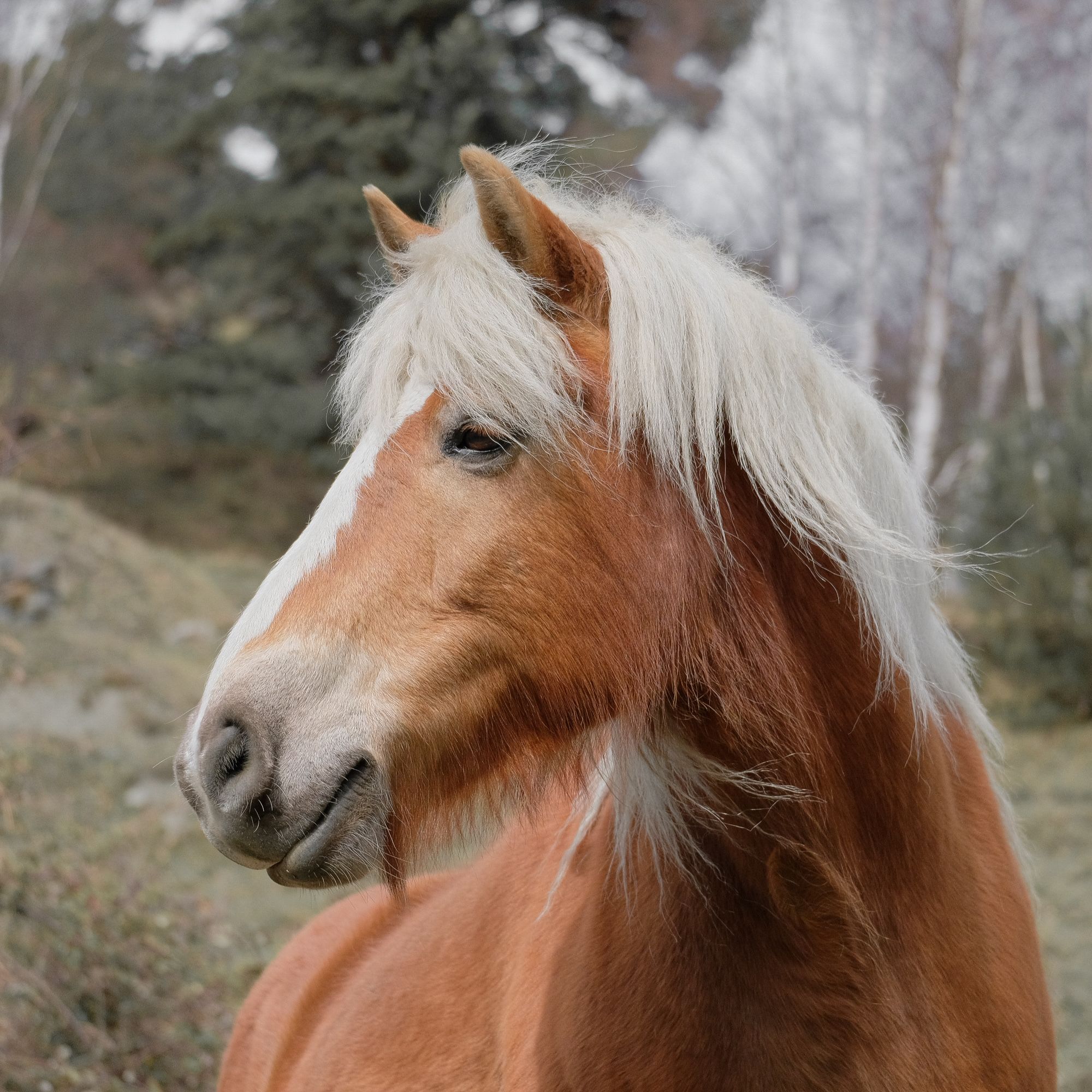
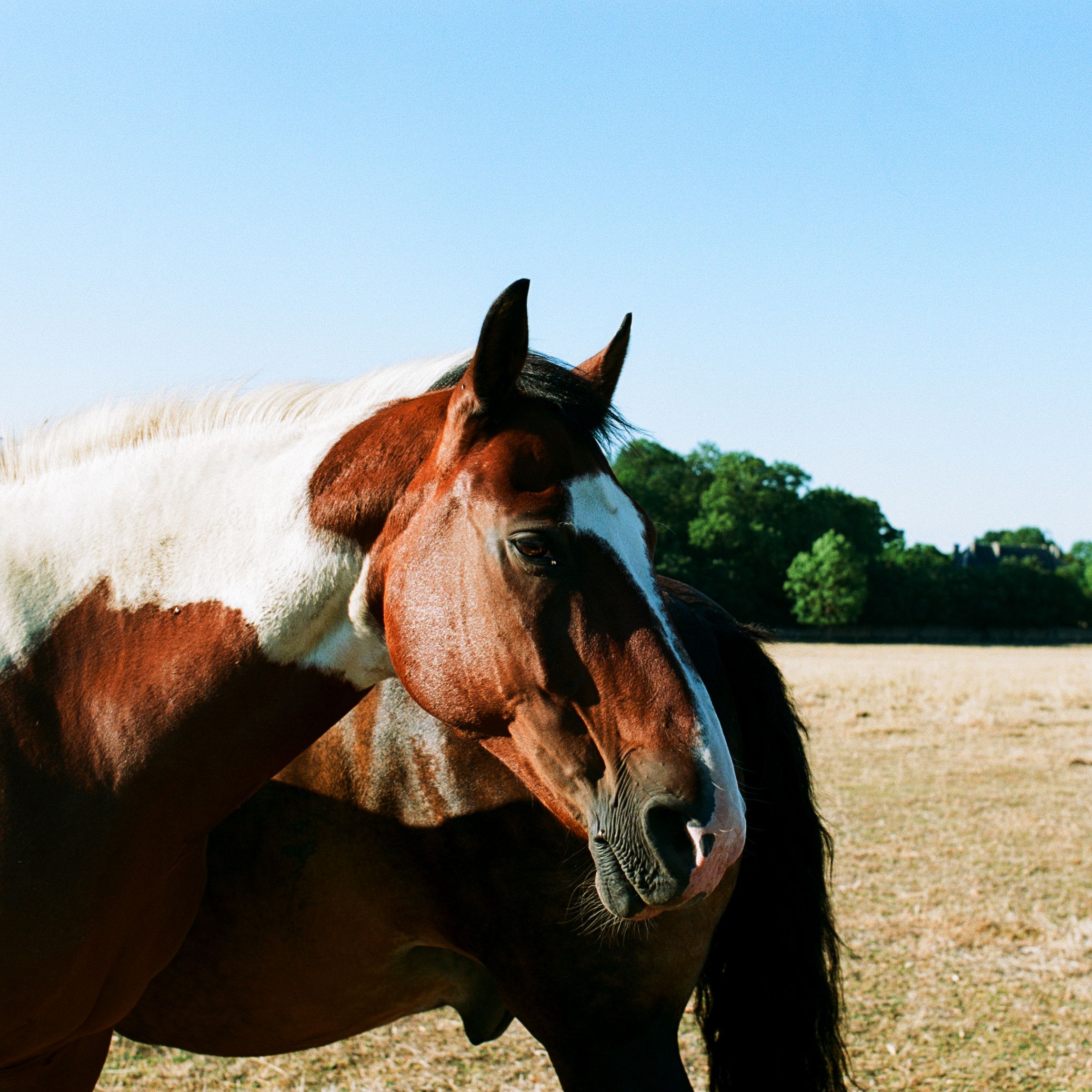
Physically, this is a breed built to impress. Today, the Clydesdale stands 162 to 183 cm (16.0 to 18.0 hands) high and weighs 820 to 910 kg (1,800 to 2,000 lb), with some mature males standing taller than 183 cm and weighing up to 1,000 kg (2,200 lb). Clydesdales are usually bay or brown in colour, though roans are common and black, grey and chestnut also occur, most have white markings including white on the face, feet, and legs, and occasional white patches on the body, and they have extensive feathering on their lower legs.
What really sets them apart, though, is their movement. Clydesdales are energetic, with a manner described by the Clydesdale Horse Society as a “gaiety of carriage and outlook”. The breed is noted for its high leg action while walking or trotting, and is characterized by feather (long hair) on the legs, attractive heads, and well-formed legs and feet.
This breed’s roots trace back to Scotland, specifically the area around the River Clyde in Lanarkshire. The Clydesdale is a draft horse breed from Lanarkshire, Scotland whose name is derived from the River Clyde, and their history goes back to the mid-1700s when native horses were mated with larger Flemish horses. Their offspring were then selected for use in agriculture and for all types of heavy hauling, including transport through the streets of Glasgow.
The breed name became official in the early 1800s. The first recorded use of the name “Clydesdale” for the breed was in 1826, and the horses spread through much of Scotland and into northern England. Clydesdale horses were first exhibited under the breed name in 1826, and were further standardized through the system of hiring out purebred stallions, and the Clydesdale Horse Society was formed in 1877, with its breed registry records going back to the 1830s.
Clydesdales crossed the Atlantic fairly early on. The Clydesdale was first imported to North America in the 1840s. As mechanization took over farms and city streets in the twentieth century, demand for draft horses dropped sharply everywhere, but dedicated breeders kept the line going, and the breed found new purpose in shows, parades, and of course as the face of a certain famous beer brand.
Despite standing well over six feet tall at the shoulder, Clydesdales are famous for being total sweethearts. Despite their giant size, Clydesdales have a laid-back, “happy” disposition. They make good family horses, even for beginners.
Their calm nature is actually part of what makes them so useful in high-pressure settings like parades and shows. The breed generally has a calm temperament that makes them easy to handle despite their large size, and their docile disposition helps the breed remain focused in hectic environments. They rarely spook and are known for their steady, unflappable nature, making them suitable for a wide range of situations, from busy parades to quiet farm work.
That said, gentle doesn’t mean lazy or dull. They bond strongly with handlers, show patience with children, and rarely display aggression. Their size does mean they need thoughtful care. They are a hardy breed that generally does well in cold weather, though due to their size, they are more expensive to keep than other horse breeds, eating more, requiring at least a 24′ x 24′ stall for horses let out daily, and costing more to shoe.
Did you notice something that could be improved? Something wrong, or something you'd like to share, comment on, add, or remove? We'd really appreciate your help. Got general feedback or a complaint instead of a specific edit? Use our Contact Us page.
Log in to suggest an editSources: The Livestock Conservancy - https://livestockconservancy.org/clydesdale-horse/ · Wikipedia - Clydesdale horse - https://en.wikipedia.org/wiki/Clydesdale_horse · Britannica - Clydesdale - https://www.britannica.com/animal/Clydesdale · Oklahoma State University Breeds of Livestock - https://breeds.okstate.edu/horses/clydesdale-horses · Mad Barn - Clydesdale Horse Breed Guide - https://madbarn.com/clydesdale-horse-breed-profile/ · Horse Education Online - The Clydesdale Horse - https://www.horseeducationonline.com/post/the-clydesdale-horse · Furry Critter Network - Clydesdale Breed Guide - https://www.furrycritter.com/pages/descriptions/horses/clydesdale.htm · Photo: Leadgold - https://commons.wikimedia.org/wiki/File:Clydesdale-busch-gardens_c.jpg (CC BY-SA 3.0) · Photo: Obryan Poyser - https://www.pexels.com/photo/brown-horse-in-close-up-photography-5051699/ (Pexels License) · Photo: Alexis B - https://www.pexels.com/photo/horses-in-summer-13514042/ (Pexels License) · Photo: A.J. Groomes - https://www.pexels.com/photo/historical-horse-carriage-in-autumn-setting-29187831/ (Pexels License)