
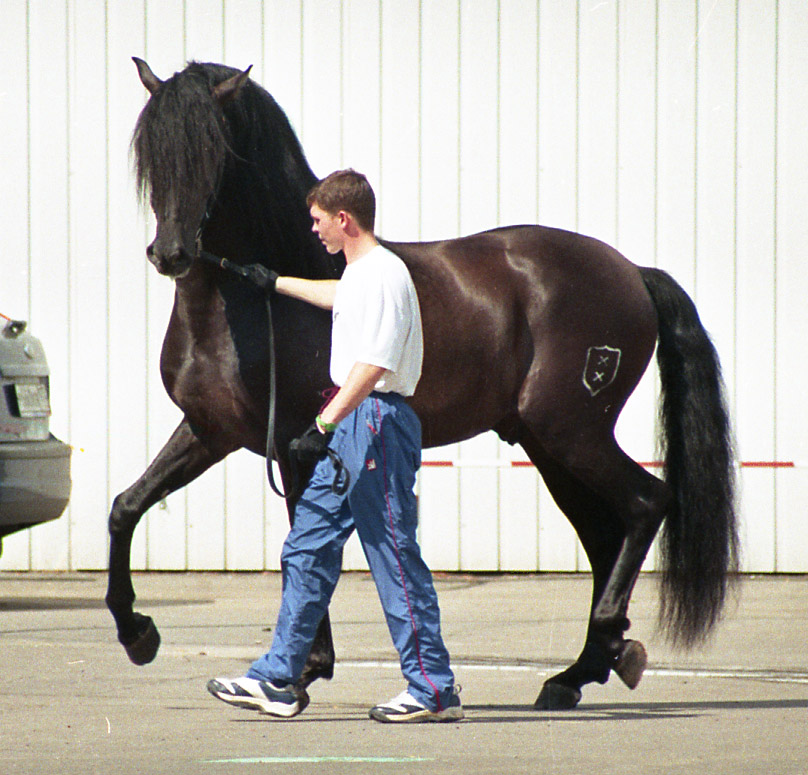
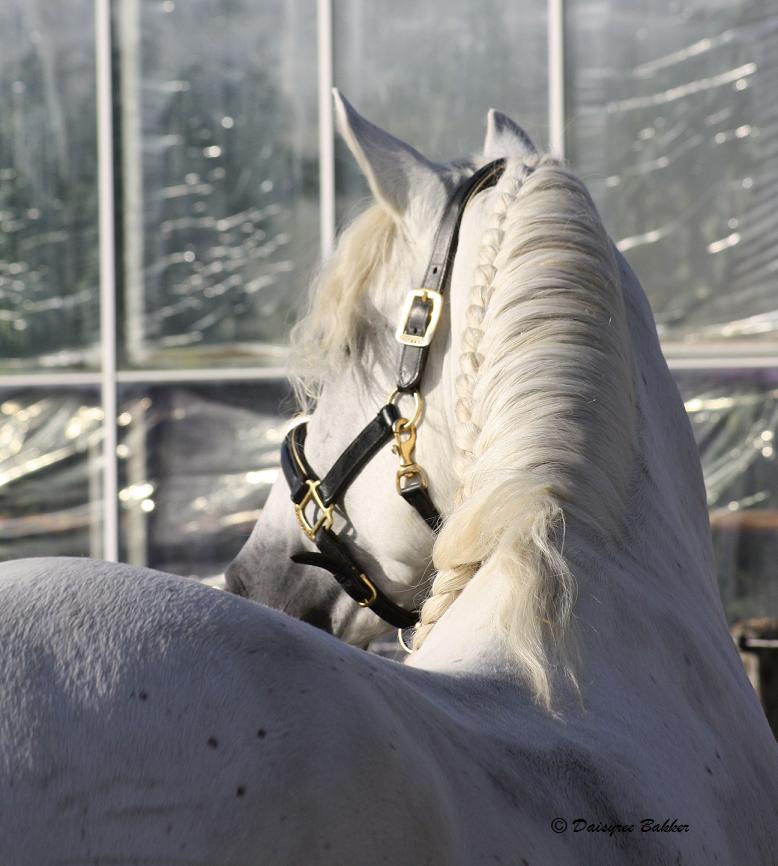
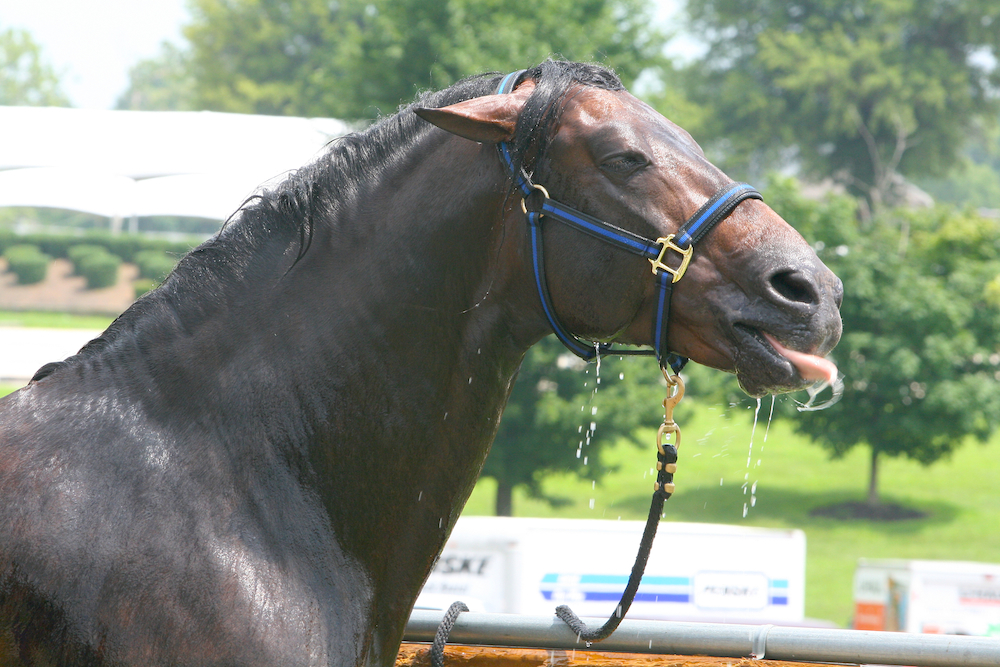
Picture a horse straight out of a Baroque painting: an arched, crested neck, a thick flowing mane and tail, and a compact, muscular body that moves with real flair. That’s the Andalusian, also known as the Pura Raza Espanola or PRE (Pure Spanish Horse), one of the oldest and most recognizable riding breeds in the world.
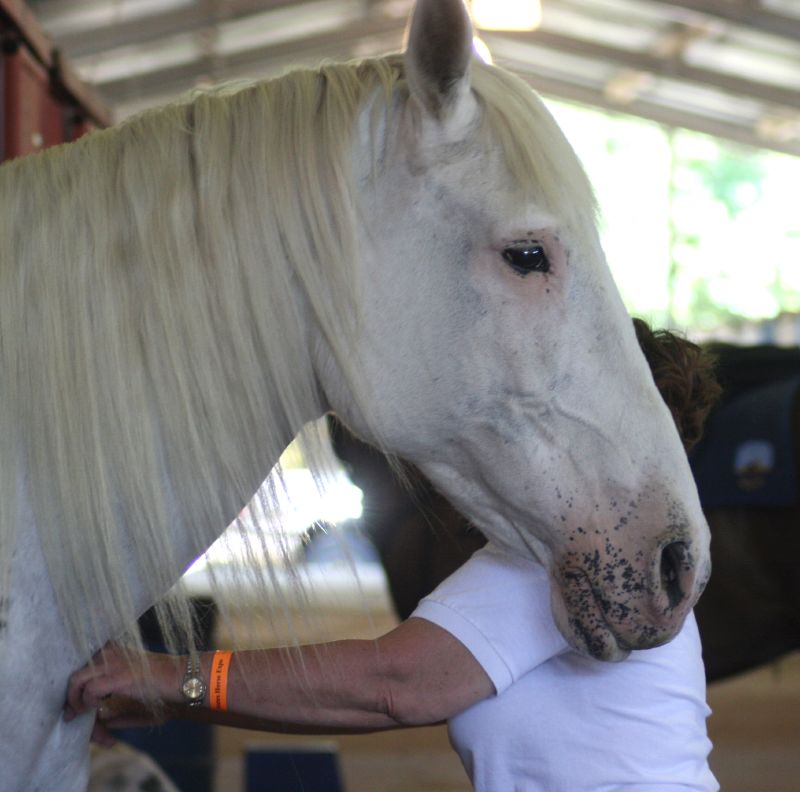
The Andalusian or Pura Raza Espanola, also known as the Pure Spanish Horse or PRE, is a Spanish breed of riding horse from the Iberian Peninsula, where its ancestors have lived for thousands of years. Strongly built, and compact yet elegant, Andalusians have long, thick manes and tails, and their most common coat color is gray, although they can be found in many other colors.
They are known for their intelligence, sensitivity, and docility, which is a big part of why they’ve been prized by kings, cavalry officers, and dressage riders alike for centuries. Whether under saddle in the show ring or just standing in a paddock, an Andalusian tends to draw every eye in the vicinity.
The Andalusian’s story starts long before recorded history. Some experts believe the legacy of the Andalusian begins in prehistoric times, as evidenced in Neolithic art painted on Spanish cave walls, and the horses in these paintings may well have been the ancestors of today’s Andalusian. Over the centuries, native Iberian stock mixed with horses brought by various invaders, and these foreign horses mixed with the native equines, and a new type of Spanish horse evolved, called the Iberian Horse, now known as the Andalusian in the U.S.
The Andalusian has been recognized as a distinct breed since the 15th century, and its conformation has changed very little over the centuries; throughout its history it has been known for its prowess as a war horse, and was prized by the nobility, and was even used as a tool of diplomacy by the Spanish government. The breed’s defining moment came in 1567, when by royal decree of Felipe II, the Spanish Horse breed with formalized standards was created, and a royal stable was established in Cordoba.
Carthusian monks in Jerez de la Frontera became legendary keepers of the bloodline, guarding its purity for centuries, giving rise to the prized “Carthusian” strain still talked about by breeders today. Sadly, during the 19th century, warfare, disease, and crossbreeding reduced herd numbers dramatically, and exports of Andalusians from Spain were restricted until the 1960s, but the breed has since spread throughout the world. Today the breed is thriving again, with more than 185,000 registered Andalusians existing worldwide as of 2010.
Ask anyone who’s spent time around Andalusians and you’ll hear the same words over and over: calm, willing, and kind. Temperamentally, they are essentially calm and willing, yet capable of engaging in challenging and even dangerous activities, and whether stallion, mare, or gelding, the breed is noted for its kind and willing nature, highly responsive to the aids when properly trained.
They’re not pushovers, though. They’re balanced and energetic, with a good, reliable disposition and a fiery temperament, and while not built to gallop, they are supple and agile, courageous and spirited. That mix of boldness and gentleness is exactly why Andalusians have historically been trusted to work cattle, perform in front of huge crowds, and even face down bulls in the ring without losing their cool.
That even keel shows up in everyday life too. The Andalusian horse has the most amazing temperament, staying unbothered even amid crowded, noisy parades, and even children ride these dependable horses. Add in the breed’s natural athleticism and love of learning, and it’s easy to see why they are especially valued in dressage today because their balance and smooth gaits suit the discipline so well.
Did you notice something that could be improved? Something wrong, or something you'd like to share, comment on, add, or remove? We'd really appreciate your help. Got general feedback or a complaint instead of a specific edit? Use our Contact Us page.
Log in to suggest an editSources: Wikipedia - Andalusian horse - https://en.wikipedia.org/wiki/Andalusian_horse · Horse Illustrated - Meet the Andalusian Horse - https://www.horseillustrated.com/meet-the-andalusian-horse/ · Oklahoma State University Breeds of Livestock - Andalusian Horses - https://breeds.okstate.edu/horses/andalusian-horses · Mad Barn - Andalusian Horse Breed Guide - https://madbarn.com/andalusian-horse-breed-profile/ · Dimensions.com - Andalusian Horse - https://www.dimensions.com/element/andalusian-horse · YourDressage - Meet the Andalusian - https://yourdressage.org/2024/02/12/meet-the-andalusian-the-original-dressage-horse/ · ehorses Magazine - Andalusian Horse - https://www.ehorses.com/magazine/horse-breed/andalusian-horse/ · Horseyhooves - 10 Andalusian Horse Facts - https://horseyhooves.com/andalusian-horse-facts/ · Wikipedia - Royal Stables of Cordoba - https://en.wikipedia.org/wiki/Royal_Stables_of_C%C3%B3rdoba · Medium - The Andalusian Horse (Rachel Webb) - https://medium.com/@rachelwebb_22571/the-andalusian-horse-e7d41f9dcc28 · All About Horses - Andalusian - https://allabouthorses.org/horse/andalusian/ · Serendipity Ranch - Andalusian - http://www.serendipityrancher.com/ee-andalusian.htm