
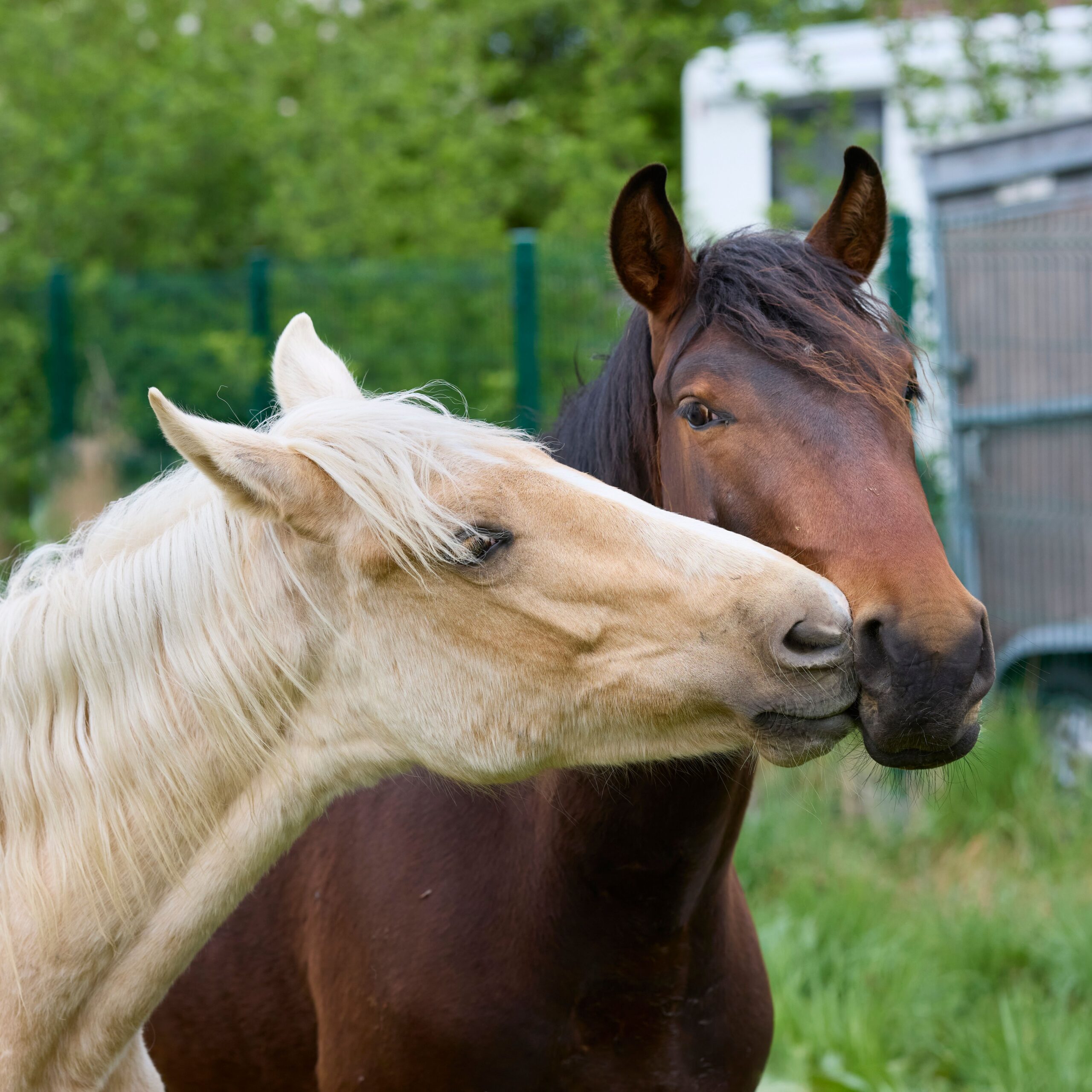
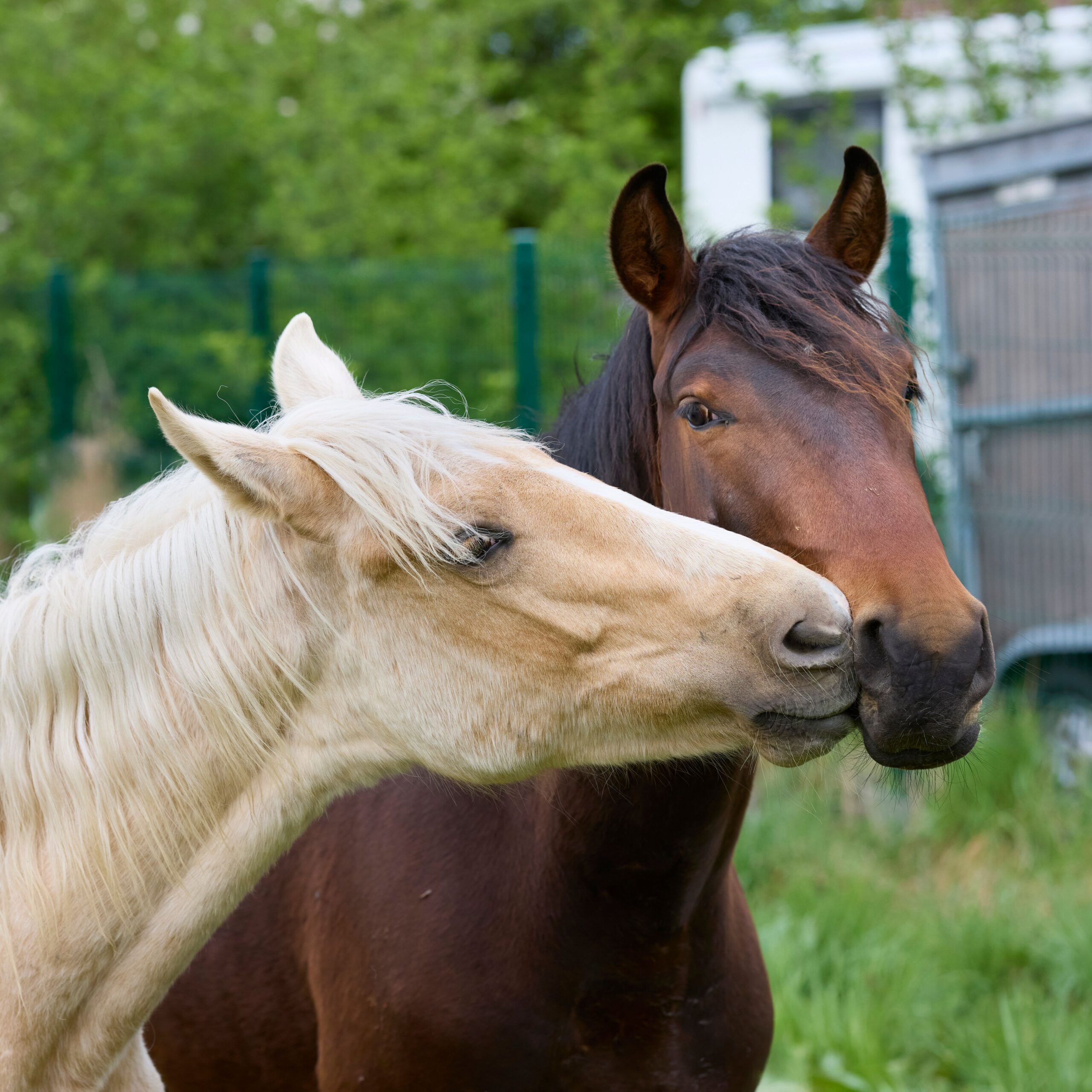
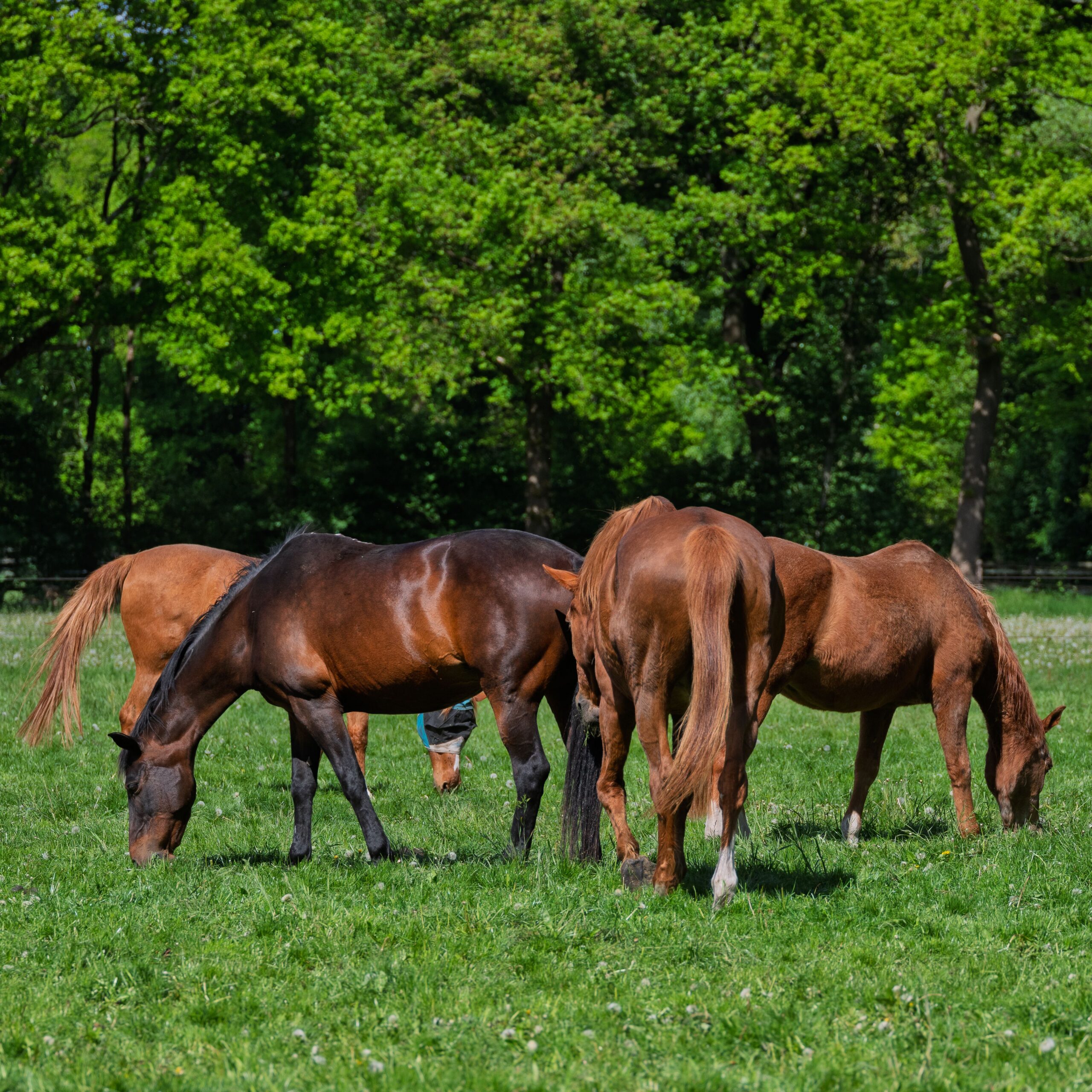
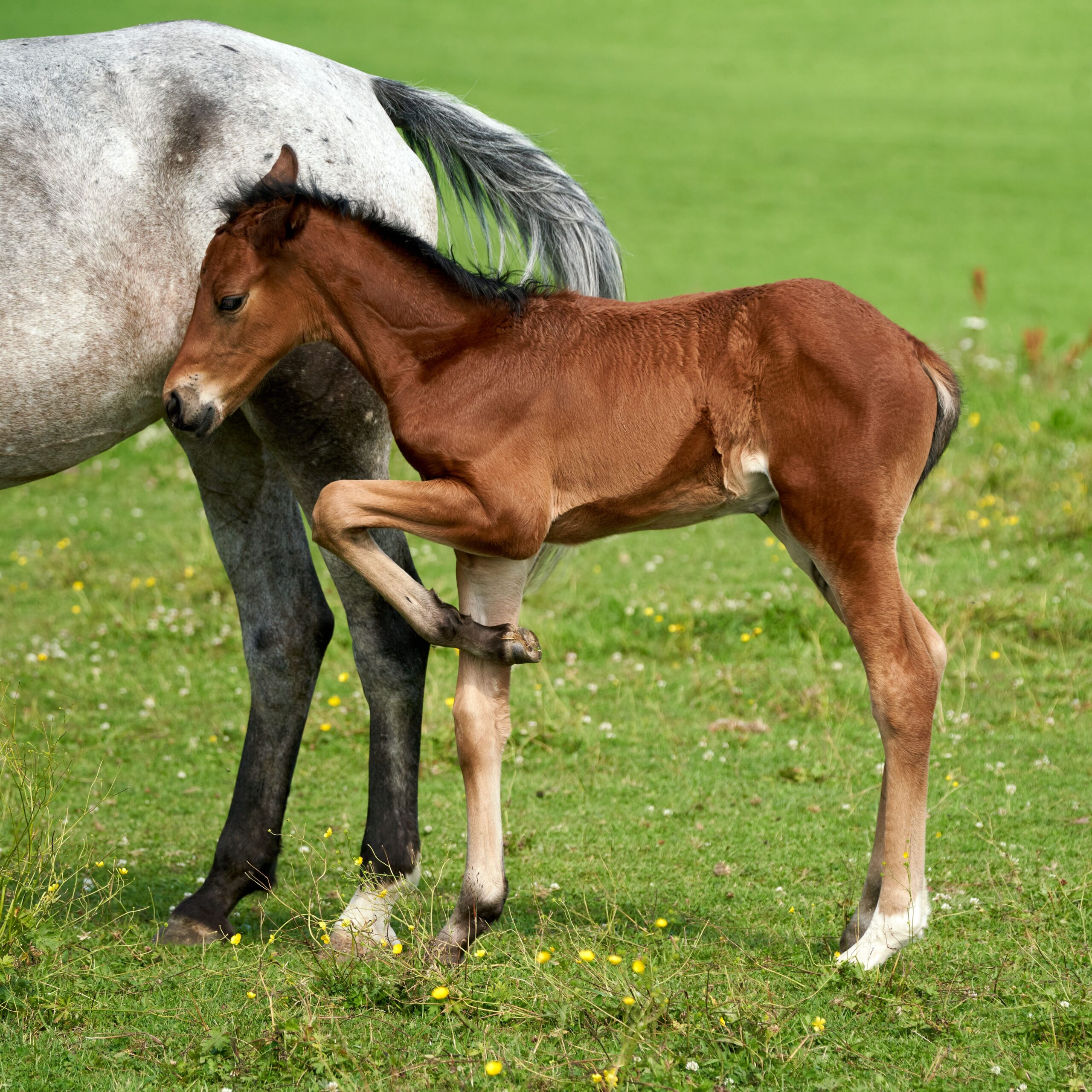
The Trakehner is often called the most elegant of the German warmbloods, and it’s easy to see why the moment you look at one. It is considered to be the lightest and most refined of the warmbloods, due to its closed stud book which allows entry of only Trakehner, as well as few selected Thoroughbred, Anglo-Arabian, Shagya and Arabian bloodlines. That careful, restricted breeding gives the horse a noble head, a long arched neck, and a build that manages to look both refined and athletic at the same time.
Color wise, the Trakehner typically stands between 15.2 and 17 hands, with bay, gray, chestnut and black being the most common colors, though the breed also includes a few roan and tobiano pinto horses. Every horse of the breed carries a distinctive mark too. The Trakehner brand consists of moose antlers, and a horse born in Trakehnen is branded with a single antler while one born elsewhere gets two.
What really sets the breed apart under saddle is its movement. The breed is famous for its floating trot. Combine that with a naturally balanced, ground covering way of going and you get a horse built to shine equally in dressage, jumping, and cross country.
The Trakehner’s story starts long before anyone called it a warmblood. The breed originated in Prussia, a historical region on the North European Plain, from small but hardy old Prussian horses that the Teutonic Knights began breeding as military mounts after conquering the area in the 14th century. Those tough local horses, often called Schwaike, were the raw material everything else was built on.
Everything changed in the 18th century when the Prussian crown got involved. The foundation for the breed was laid at the main stud farm established in the town of Trakehnen, East Prussia, by Frederick William I, in 1732. A few decades later breeders made a decision that would define the horse forever. In the early 1800s the Trakehnen breeders introduced English Thoroughbred and Arabian blood into the local mare population, aiming to produce an athletic endurance horse that could serve as a powerful cavalry horse in wartime yet still work the farms in peacetime, adding the size, nerve, spirit and endurance of the Thoroughbred to the strength and nobility of the native breed.
The breed’s darkest hour came at the end of World War II. After the war, the breed, which once numbered tens of thousands, was reduced to approximately 600 broodmares and 50 stallions in West Germany. Out of that near collapse came a remarkable comeback. On 23 October 1947 the East Prussian Studbook Society was dissolved and the Association of Breeders and Friends of the Warmblood Horse of Trakehner Origin, known today as the Trakehner Verband, was created. Thanks to decades of dedicated rebuilding, the Trakehner survives today as a small but treasured breed still prized for its old bloodlines.
Spend a little time around a Trakehner and you’ll quickly notice how switched on they are. Trakehners are highly intelligent, sensitive, and willing horses known for their excellent work ethic and their willingness to learn. That sensitivity is part of what makes them such expressive performers, though it also means they read their rider’s mood and cues very closely.
Despite that sharpness, the breed isn’t flighty or difficult by nature. The official breeding goal calls for an uncomplicated, sociable, yet willing, strong nerved and reliable horse that makes an alert, intelligent impression, with horses that are difficult to handle, nervous, anxious or timid considered undesirable. In everyday life that translates into a horse that is genuinely easy to be around once it trusts you.
That said, this isn’t necessarily a breed for a total beginner. Trakehner horses are not always the best choice for novice owners or beginner riders, since they are intelligent, athletic, and sometimes sensitive, which means they usually do better with confident, consistent handling. Owners who put in the work are usually rewarded with a horse that bonds closely with people. They are loyal, affectionate, and bond closely with their owners, with a calm temperament that makes them highly trainable across a range of equestrian disciplines.
Did you notice something that could be improved? Something wrong, or something you'd like to share, comment on, add, or remove? We'd really appreciate your help. Got general feedback or a complaint instead of a specific edit? Use our Contact Us page.
Log in to suggest an editSources: Wikipedia - https://en.wikipedia.org/wiki/Trakehner · Mad Barn Trakehner Horse Breed Guide - https://madbarn.com/trakehner-horse-breed-guide/ · Oklahoma State University Breeds of Livestock - https://breeds.okstate.edu/horses/trakehner-horses · American Trakehner Association - https://americantrakehner.com/the-trakehner-horse/ · American Trakehner Association History - https://americantrakehner.com/about-the-ata/our-history/ · American Trakehner Association Breeding Goals - https://americantrakehner.com/the-trakehner-horse/breeding-goals/ · Trakehner Verband Breeding Goal - https://www.trakehner-verband.de/en/pferde/zuchtziel/ · ehorses.com - https://www.ehorses.com/buy-horse/trakehner.html · German Warmblood - Wikipedia - https://en.wikipedia.org/wiki/German_warmblood · PetGuide Trakehner Horse - https://www.petguide.com/breeds/horse/trakehner-horse/ · Equine Welfare Society - https://www.equinewelfaresociety.org/post/get-to-know-your-equine-breeds-trakehner · Chevaux du Monde - https://chevauxdumonde.com/en/horse/trakehner · LookSeek Knowledge Base - http://knowledgebase.lookseek.com/Trakehner-Horse.html · Photo: Kathleen Conklin - https://commons.wikimedia.org/wiki/File:Trakehner_Horse.jpg (CC BY 2.0) · Photo: Erwin Bosman - https://www.pexels.com/photo/gentle-interaction-between-bay-and-palomino-horses-38128748/ (Pexels License) · Photo: Haberdoedas Photography - https://www.pexels.com/photo/grazing-horses-in-a-green-pasture-33358384/ (Pexels License) · Photo: Barnabas Davoti - https://www.pexels.com/photo/brown-foal-with-roan-horse-in-norwegian-meadow-33077215/ (Pexels License)